ICPC Presents Its National Study on Public Transit Safety at CUTA’s Annual Conference and Transit Show

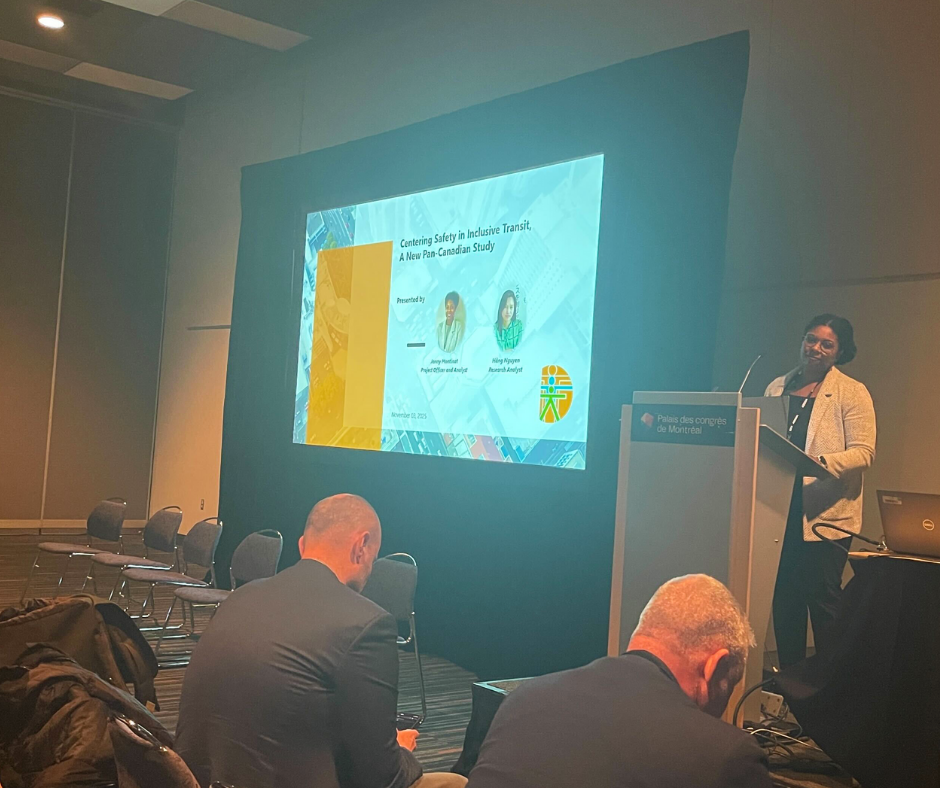
On November 3, 2025, Janny Montinat and Hang Nguyen, analysts at the International Centre for the Prevention of Crime, took part in the Annual Conference and Transit Show organized by the Canadian Urban Transit Association (CUTA) in Montréal.

They presented the approach and objectives of a national study led by the ICPC on safety and mobility in public transit systems across five major Canadian cities. The study, planned over a three-year period, is currently in its first year, which focuses on a literature review, expert consultations, and the preparation of on-site visits. 

By joining the ongoing discussions among transport authorities, researchers, and municipal representatives, the ICPC shares its expertise in crime prevention to help develop sustainable solutions to urban safety challenges.

For more information on the CUTA Annual Conference, visit cutaactu.ca.

A new report to document and prevent the victimization of women and girls in Montréal

The International Centre for the Prevention of Crime (ICPC) has released a new report entitled Vue d’ensemble de la victimisation des femmes et des filles dans l’agglomération de Montréal.

Drawing on police data from Québec’s Ministry of Public Security, the report highlights a troubling rise in the victimization of women and girls between 2018 and 2022, particularly assaults. It also sheds light on significant territorial and generational disparities, as well as the high prevalence of violence committed within close relational contexts.

To better guide public policy and local interventions, the report puts forward a series of strategic recommendations. These include developing safe and inclusive public spaces, strengthening support for victims in private settings, intensifying prevention efforts targeting adolescent girls, and improving gender-based data collection.

Produced by the ICPC in collaboration with the City of Montréal, this work aims to provide public authorities, researchers, and frontline stakeholders with tools to implement sustainable and tailored actions in the field of urban safety.

Read the full report (available in French only)

The ICPC Participates in a Roundtable on Local Prevention in Latin America

On August 14, 2025, the ICPC took part in a virtual roundtable organized by the Hemispheric Network for the Prevention of Violence and Crime, in collaboration with several regional partners. The event brought together experts from Argentina, Bolivia, Mexico, Guatemala, Chile, and Canada, and was addressed to Bolivian professionals and students specializing in crime prevention. 

Oscar Figueroa, Strategic Consultant for Latin America at the ICPC, presented experiences and reflections drawn from our work on social and situational prevention. 

He also warned that organized crime represents a major threat in the region, recruiting minors and young adults for drug microtrafficking, extortion, and logistical operations. He emphasized the need to establish specific protection protocols and to strengthen coordination with justice systems and child protection services. 

Finally, he underlined the importance of enhancing interinstitutional coordination among municipalities, police, prosecutors, and community actors. He stressed that countries in the region can implement effective prevention policies by relying on minimum standards, stable funding, and regularly evaluated pilot projects. 

The roundtable was organized by ProgettoMondo, the Universidad Autónoma Metropolitana (UAM), the Gino Germani Research Institute (UBA), IECRIMT, and the Secretariat for Science and Technology. It forms part of the ongoing collaboration between the ICPC and its Latin American partners, marked by three joint activities in 2024. 

Click here to see the video recording. 

ICPC Launches Pan-Canadian Study on Public Transit Safety

The International Centre for the Prevention of Crime (ICPC) has launched a large-scale study to analyze public transit safety issues across Canada. The initiative will focus on five major cities: Montreal, Toronto, Ottawa, Calgary, and Edmonton. Its objective is to examine the safety challenges faced by both users and transit staff—factors that directly impact passenger well-being, ridership levels, employee retention, and the reputation of transit agencies. Certain groups, including women, persons with disabilities, and marginalized communities, are especially vulnerable to various forms of violence and insecurity.

A Field-Based Approach to Tailored Solutions

The study will be carried out using a range of methods:

  • Document review: analysis of existing literature and municipal policies
  • Key informant interviews: with stakeholders in transit and public safety
  • Exploratory walks: observation and on-site discussions with transit users representing diverse backgrounds

Each city will be the subject of a summary report, with a final publication compiling best practices and proposed solutions from across the country.

A Societal Challenge: Safe Mobility for All

By examining the entire journey of transit users—including vehicles, stations, waiting areas, and adjacent public spaces—this study aims to identify tangible solutions to improve everyone’s sense of safety.

An Action-Oriented Initiative

The study’s findings will support municipalities, transit agencies, and community organizations in developing preventive measures tailored to local realities.

With this initiative, the ICPC reaffirms its commitment to safer, more inclusive cities—where everyone can move around with confidence.

This study is made possible with financial support from the Government of Canada.

A strategic visit to Gatineau for safer communities

As part of the Fonds pour bâtir des communautés plus sécuritaires (FBCS), Alexis St-Maurice, analyst and project manager at the ICPC, travelled to Gatineau last March to explore local crime prevention strategies and strengthen cooperation with local stakeholders.

Alexis St-Maurice (ICPC) and Jean-François Grégoire (SPVG)

In particular, he took part in a patrol with the Service de police de la Ville de Gatineau (SPVG), which gave him an insight into the challenges of coexistence, working with vulnerable populations and dealing with incivilities. He also met with community organisations, including Maison d’accueil Mutchmore and Maison communautaire Daniel-Johnson (MCDJ), to discuss priority issues such as housing, homelessness and access to services. These discussions helped to identify promising practices to strengthen social cohesion.

Alexis St-Maurice (ICPC) and Rachel Larocque (MCDJ)

He also took part in an exploratory walk with a mobile outreach worker from Héberge Ados to assess vulnerable urban spaces and consider preventive measures to reduce opportunities for crime. Finally, he took part in collaborative workshops with community, municipal and health sector representatives to define possible concrete actions to be supported by the Fund.  

Alexis St-Maurice (ICPC) and the Maison d’accueil Mutchmore

We would like to thank everyone who accompanied Alexis. This immersive experience gave Alexis a deeper understanding of urban safety issues in Gatineau and a richer perspective on how to build safer communities

Alexis St-Maurice (ICPC) and Ana Christina (Héberge-ado)

These activities were made possible by funding from the Ministère de la Sécurité publique du Québec, Fonds pour bâtir des communautés plus sécuritaires.

When the social sciences take to the streets: Université Laval students sound out Lévis

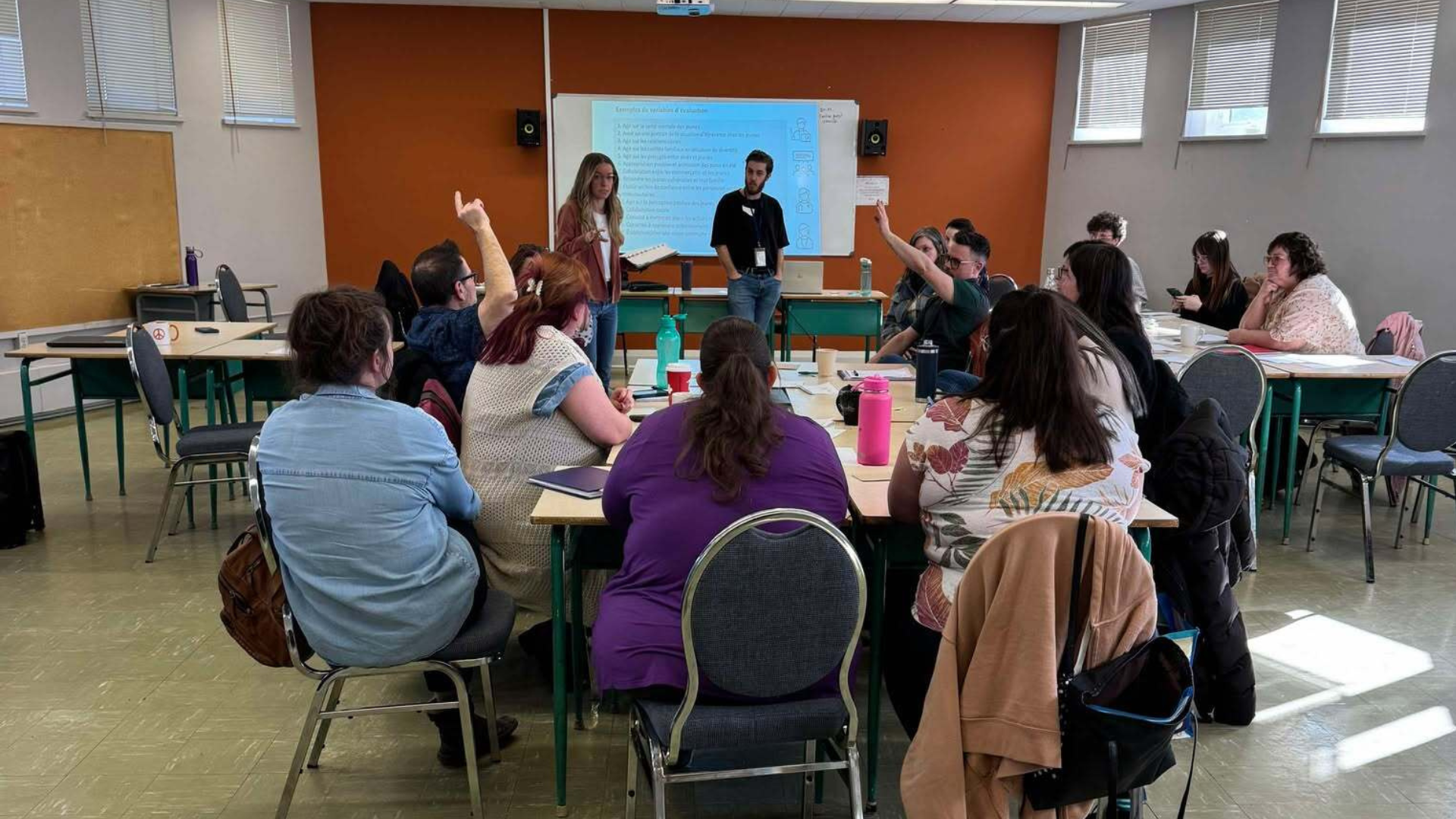
From March 20 to 27, a dozen master’s students in the social sciences at Laval University took to the streets of Lévis on Quebec City’s south shore to engage with the community. Their mission? They were there as part of a major project run by the International Centre for the Prevention of Crime (ICPC) in collaboration with the City of Lévis. The project involved students taking the pulse of the city, tablet in hand 

Working in pairs, the students visited a number of strategic areas to circulate a questionnaire among the population. The objective was to achieve a broad representation of the city’s demographics, particularly the younger segment that is often underrepresented in conventional consultations. The gamble paid off: 759 people took the time to respond, including 1 in 10 under the age of 25. The initiative’s success is further underscored by the fact that 1 in 10 respondents were under the age of 25. 

These future professionals are immersed in the world of applied research. From the initial call for tenders to the analysis of the results, they are involved in every stage of the project. The next stage is the quantitative analysis of the data provided by the City, which will be carried out in small groups. In mid-April, Maxime Raulet, a ICPC analyst and project officer, will participate in evaluating the process 

This field project seamlessly integrates learning, civic engagement and tangible impact for the community, showcasing a remarkable example of collaboration between the university, the city and the ICPC. 

ICPC strengthens its presence in Latin America with two new members

ICPC is proud to announce the addition of two new members to its international network: the Consejo Ciudadano de Seguridad (CCS) of the State of Jalisco and the Secretaría de Seguridad Pública del Municipio de Querétaro, both based in Mexico. These strategic partnerships will strengthen our presence in Latin America, a region facing complex security challenges.  

Through these collaborations, ICPC will be able to expand its network of expertise in Latin America, share best practices and innovative solutions, strengthen local capacity in security prevention and management, and contribute to concrete projects for local communities.  

These partnerships mark an important step in ICPC’s international expansion and demonstrate our commitment to being a key player in promoting security worldwide

RÉSAL offers a ICPC-coordinated training session in winter 2025

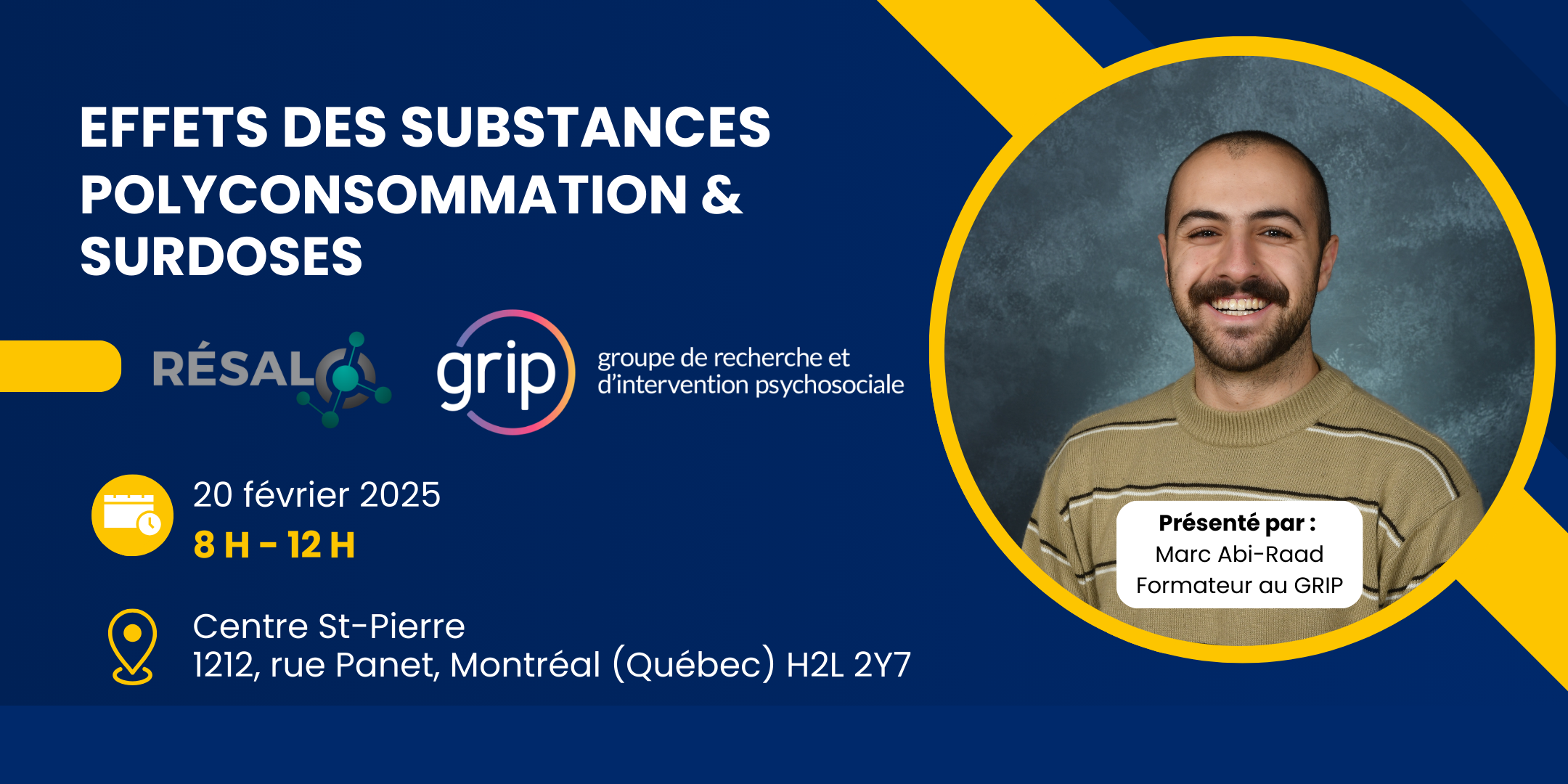
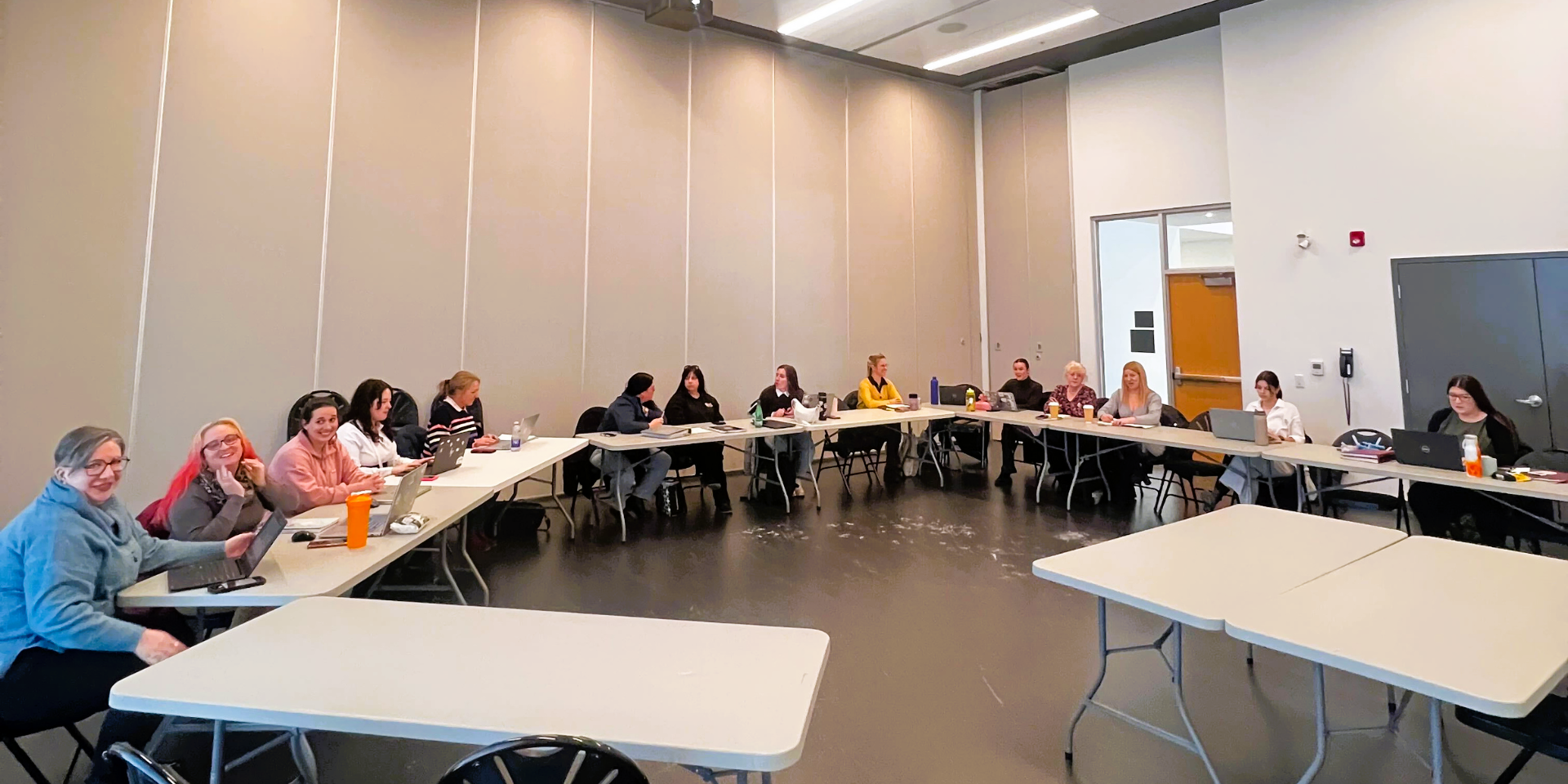
As part of the development of the capacity-building activities of the Réseau montréalais d’échange et de soutien aux initiatives locales (RÉSAL) for the winter of 2025, the ICPC, as a coordinating member, organised an in-person training session on February 20th 2025. Funded by the City of Montréal’s Prévention Montréal program, the event focused on the effects of substances, poly-drug use and overdoses. 

Marc Abi-Raad, a trainer with the Groupe de Recherche et d’Intervention Psychosociale (GRIP), led the course and helped increase knowledge about psychoactive substances. 

Over the course of the day, participants learned how to rigorously classify substances according to their main and sub-categories. The training also enabled them to explore the ways in which psychoactive substances are used and to recognise the signs and symptoms of overdose specific to each category, knowledge that is essential for rapidly identifying emergency situations and intervening effectively. Thanks to this knowledge, they now have a solid basis for taking preventive action and limiting the risks associated with the simultaneous use of drugs. 

Many thanks to Marc Abi-Raad and the participants for the many exchanges that contributed to the success of the event! 

ICPC Featured in PNI Network Newsletter  

We are proud to be featured in the latest issue of the United Nations Crime Prevention and Criminal Justice Programme Network (PNI) Network newsletter. The article highlights ICPC’s expertise and contributions to crime prevention and criminal justice.  

An exclusive interview with our Director General, Ann Champoux, explores ICPC’s core missions, its history, and its evolution over the past three decades. The publication also discusses our strategic role as coordinator of RÉSAL and our latest reports, which offer analysis and solutions for safer communities.  

This recognition comes at an important time for us: the 30th anniversary of ICPC. Our sincere thanks go to our partners at the PNI for their continued support and for highlighting our work.  

 To learn more, read the newsletter here. Together, let’s continue to advance crime prevention worldwide. 

ICPC attends UN meeting on crime prevention to share its expertise

In mid-November, Ann Champoux, ICPC’s Director General, attended the 2024 Coordination Meeting of the United Nations Crime Prevention and Criminal Justice Programme Network (PNI) Network in Riyadh. Her presence supported our mission within the Commission on Crime Prevention and Criminal Justice (CCPCJ) of the United Nations Office on Drugs and Crime (UNODC).     

Key discussions focused on achieving the 2030 crime prevention targets of the Kyoto Declaration, and members presented their latest initiatives to combat international crime. The event was also an opportunity for ICPC to showcase its innovative work, including the Urban Security Laboratory and its research on mobility security.  

By interacting with global experts and policymakers, ICPC reaffirmed its commitment to advancing strategies that promote justice and public safety. This collaborative platform underscored the organization’s commitment to building safer, more inclusive communities around the world. 

Thanks for the invitation!