The ICPC Strengthens Its Ties at Coalition Pozé Events

In November, the ICPC took part in two major events organized by its partner, Coalition Pozé: the pre-forum “Paroles de terrain” (Voices from the Field) and the INTERVENTUM Gala. Our colleagues, Tatiana Smirnova, Analyst and Project Officer, and Solal Holtz, Analyst, actively contributed to both events. They exchanged on prevention practices and helped highlight the work of key actors committed to violence prevention and social cohesion in Montréal.

A Pre-Forum to Co-Create Solutions and Strengthen Local Solidarity

On November 6, at the Maison du développement durable, the “Paroles de terrain” pre-forum brought together practitioners, educators, researchers, youth, and local community members. Together, they identified approaches that can help reduce tensions between neighbourhoods and foster more supportive, harmonious living environments.

This pre-forum is the first step in a broader process to strengthen solidarity between organizations and enhance local collaboration on issues affecting youth. It lays the groundwork for a shared reflection on how to support more cohesive and safer environments.

A Gala to Celebrate Key Actors in Prevention and Youth Support

On November 11, the INTERVENTUM Gala highlighted the essential work of practitioners supporting vulnerable youth. In this first edition, 30 award recipients were recognized for their commitment and innovative initiatives.

For the ICPC, the event was an opportunity to highlight the vital work of frontline professionals whose efforts directly support youth well-being, safety, and social cohesion. This participation also reaffirms the ICPC’s role as a key player in prevention and multisectoral dialogue in Montréal. By listening to realities on the ground and recognizing those who strengthen the social fabric every day, our colleagues helped advance concrete collaborations aimed at developing preventive solutions tailored to local challenges.

Photos - Left: Youth at the INTERVENTUM Gala (11 November). Right: Members of the Pozé Coalition Board of Directors (11 November).

Ann Champoux at the First International Congress on Reintegration and Prevention in Juvenile Criminal Justice

Ann Champoux as keynote speaker

On October 30 and 31, 2025, Ann Champoux, Executive Director of the International Centre for the Prevention of Crime (ICPC), took part in the First International Congress on Reintegration and Prevention in Juvenile Criminal Justice, held at the Fox Centre in San Francisco del Rincón, Guanajuato, Mexico. 

This mission marked Ms. Champoux’s first visit to Mexico as Executive Director of the ICPC. She was accompanied by Mr. Oscar Figueroa, Strategic Consultant for Latin America, who regularly represents the ICPC at various events and conferences across the region. 

Invited to deliver the opening address, Ms. Champoux joined more than 1,200 participants from nine countries across the Americas and beyond. Her participation reflected the ICPC’s commitment to strengthening international cooperation in crime prevention and juvenile justice.

A meaningful experience both professionally and personally

Visit of a rehabilitation centre (in the middle, Ann Champoux and Oscar Figueroa)


In her remarks, Ms. Champoux emphasized the importance of early prevention, community support, and international collaboration to help young people in conflict with the law reintegrate into society.

This topic resonates deeply with me, both as Executive Director of the ICPC and as a mother,” she said.


Inspiring Action and Building Lasting Partnerships

Moved by the strong participation of university students, Ms. Champoux expressed hope that her message would encourage the next generation to continue their efforts in preventing youth delinquency and promoting safer communities. She also highlighted the quality of strategic meetings and discussions held alongside the congress, which could lead to future collaborations across the region.

Empowering the next generation of crime prevention leaders

Expanding the ICPC’s reach

This first mission to Mexico helped raise awareness of the ICPC’s mission and expertise among new partners, while reaffirming its commitment to supporting local initiatives in Mexico and throughout Latin America.

We share a common goal: to build more humane and inclusive public policies for safer communities,” concluded Ann Champoux.

This participation marks an important milestone for the ICPC in developing lasting partnerships and strengthening its network across Latin America. 

[New Release] ICPC publishes four new reports on crime in Montréal

ICPC presents four new reports on crime in the Greater Montréal Area. These analyses offer key data to better understand local realities and strengthen crime prevention strategies. 

The publication of these reports was made possible with the support of the ministère de la Sécurité publique du Québec (Québec Ministry of Public Security) and the City of Montréal. 

Read the full press release

A Report to Better Understand Crime in Low-Rent Housing and Support Local Action

As part of a mandate entrusted by the City of Montréal, the International Centre for the Prevention of Crime has published the report État des lieux de la criminalité dans et aux alentours des HLM – agglomération de Montréal (Crime In and Around Low-Rent Housing (HLM) in the Greater Montréal Area). This work reflects a commitment by the city of Montréal to strengthen local analytical capacity in urban safety, while taking into account the social and territorial realities specific to low-income residential environments.

Between 2018 and 2022, more than 9,300 criminal cases were recorded within the perimeter of low-income housing units. While property crimes are the most frequent, crimes against persons increased by 38%, with women and seniors being particularly affected. These dynamics highlight the need for interventions tailored to social vulnerabilities, precarious living conditions, and relational contexts.

Conducted with the support of the ministère de la Sécurité publique du Québec (Québec Ministry of Public Security), the report offers concrete recommendations to enhance community safety, improve social cohesion, and support public housing residents across the Montréal metropolitan area.

Read the full report (in French)

A Statistical Report of Crime in the Greater Montréal Area

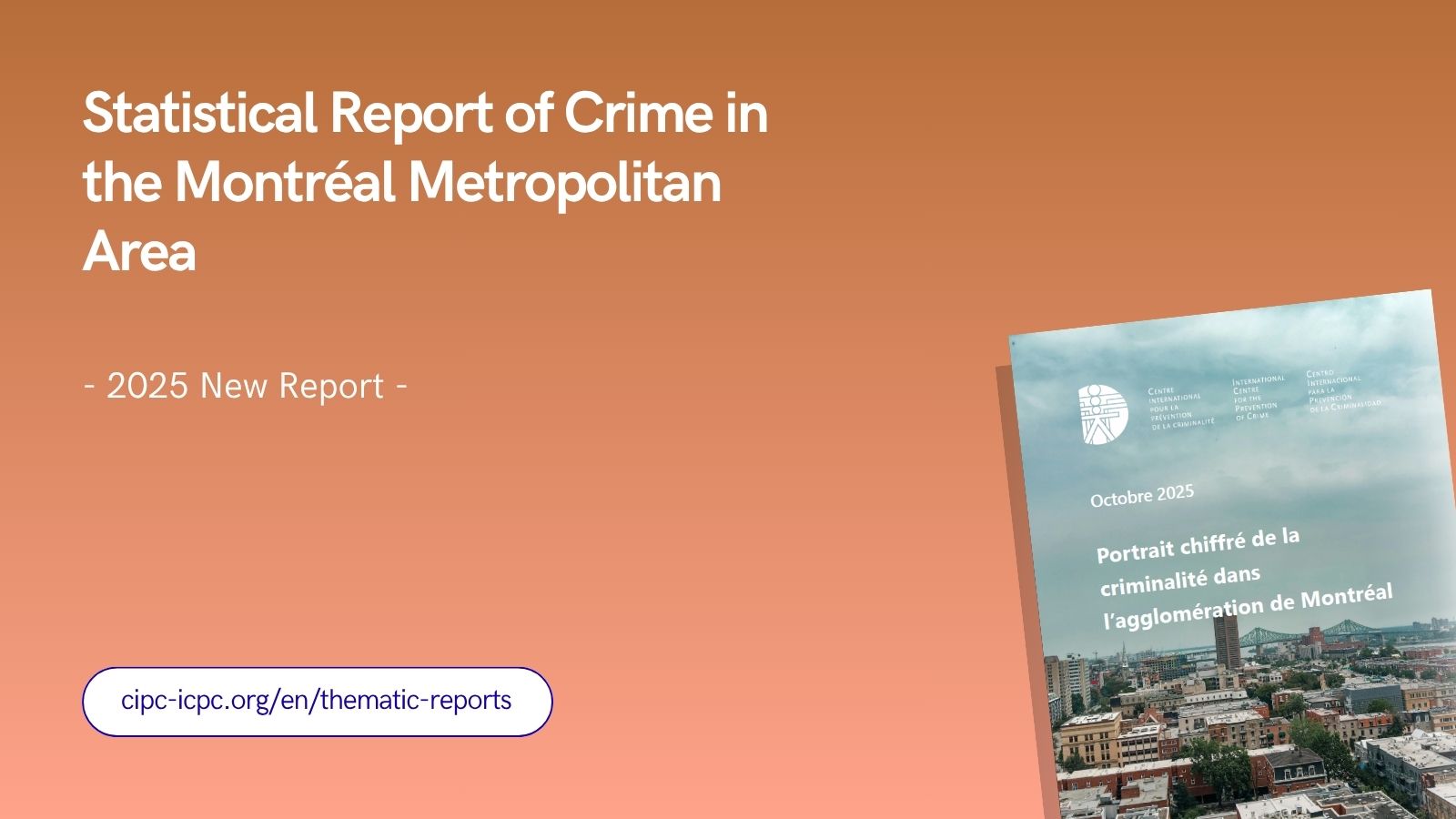
The International Centre for the Prevention of Crime has published its report Statistical Report of Crime in the Greater Montréal Area, produced with the support of the ministère de la Sécurité publique du Québec (Québec Ministry of Public Security) and the City of Montréal. This local safety assessment presents a detailed overview of reported offences between 2018 and 2022, based on data from the Uniform Crime Reporting Survey (UCR 2.2). 

More than 358,000 criminal cases were recorded, including a significant increase in property-related offences (+12%) and crimes against persons (+34%). Vehicle theft, fraud, sexual offences, and domestic violence are among the key issues identified. 

This report aims to equip public authorities and local partners with evidence-based insights for strategic urban safety planning. It offers practical recommendations to strengthen prevention efforts, enhance safety in public and residential spaces, and better support vulnerable populations.

Read the full report (in French)

New Report: Analysis of Crimes Related to the Non-Consensual Distribution of Intimate Images in the Greater Montréal Area

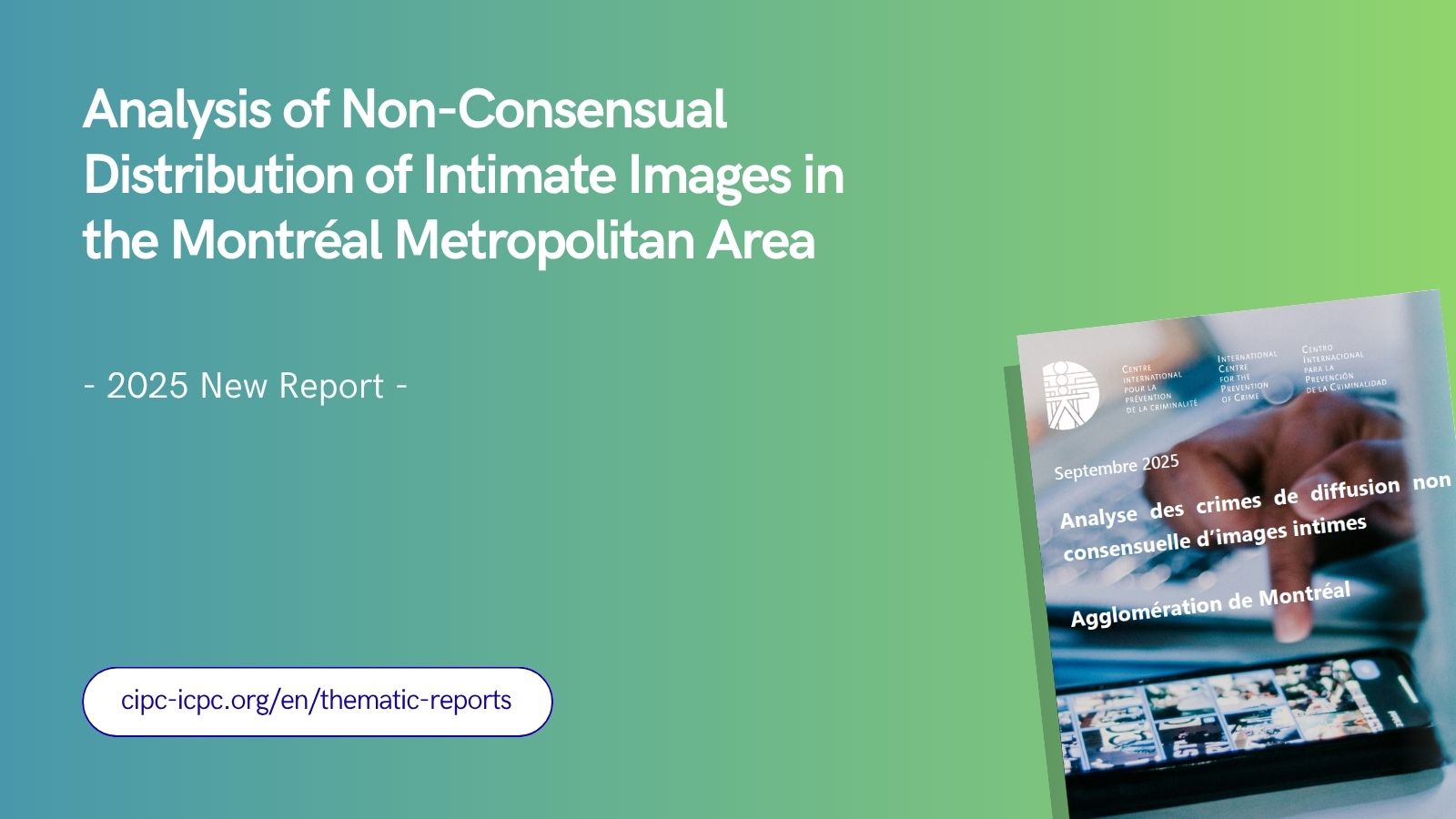
The International Centre for the Prevention of Crime (ICPC) has published its report Analysis of Crimes Related to the Non-Consensual Distribution of Intimate Images in the Greater Montréal Area. Conducted with the support of the ministère de la Sécurité publique du Québec (Québec Ministry of Public Security) and the City of Montréal, this report is the first comprehensive study on this rapidly growing phenomenon in the Greater Montreal Area.

Based on police data from the Uniform Crime Reporting Survey (UCR 2.2) (2018–2022), the report highlights the gender-based dynamics of these offences, which primarily affect young women aged 12 to 30. It shows that these crimes often occur within intimate relationships and extend certain forms of domestic and relational violence into cyberspace. 

Commissioned by the City of Montréal, the ICPC puts forward concrete recommendations to strengthen prevention, victim support, and intersectoral collaboration. Moreover, this report serves as a strategic tool for policymakers, educational institutions, community organizations, and digital platforms.

Read the full report (in French)

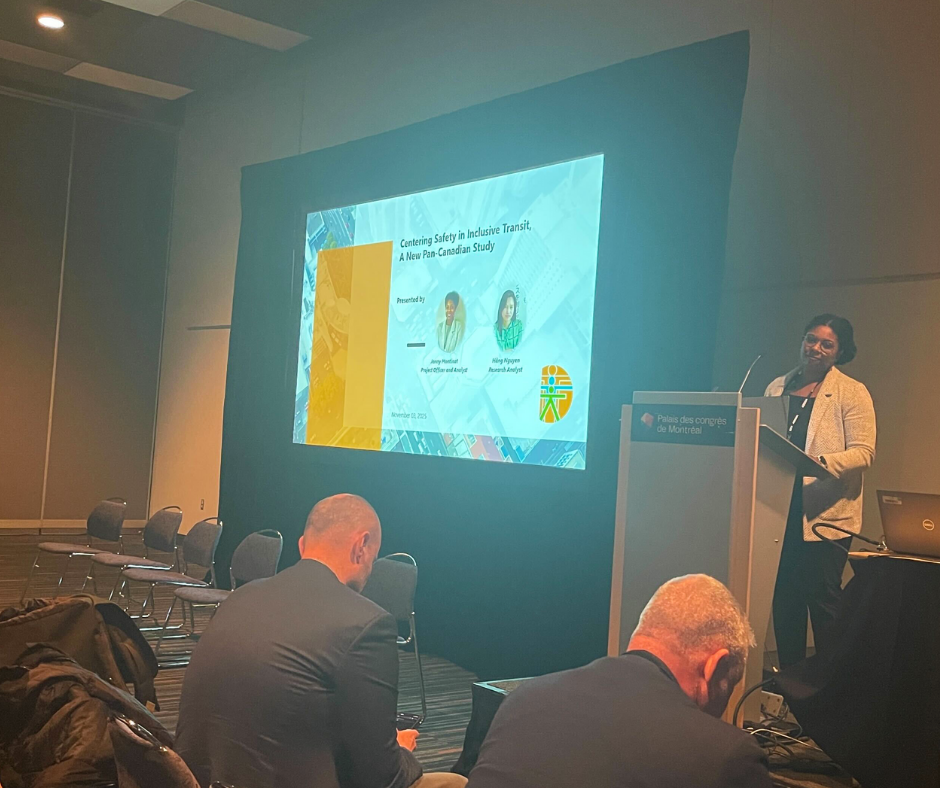
ICPC Presents Its National Study on Public Transit Safety at CUTA’s Annual Conference and Transit Show

On November 3, 2025, Janny Montinat and Hang Nguyen, analysts at the International Centre for the Prevention of Crime, took part in the Annual Conference and Transit Show organized by the Canadian Urban Transit Association (CUTA) in Montréal.

They presented the approach and objectives of a national study led by the ICPC on safety and mobility in public transit systems across five major Canadian cities. The study, planned over a three-year period, is currently in its first year, which focuses on a literature review, expert consultations, and the preparation of on-site visits. 

By joining the ongoing discussions among transport authorities, researchers, and municipal representatives, the ICPC shares its expertise in crime prevention to help develop sustainable solutions to urban safety challenges.

For more information on the CUTA Annual Conference, visit cutaactu.ca.

The ICPC showcases its expertise in criminal analysis at an international seminar

On October 1, 2025, Blas Pascal University (UBP) hosted an online international seminar titled “Criminal Analysis for Citizen Security: Latin American Experiences.” During the event, Óscar Figueroa Ulloa, Strategic Consultant for Latin America at the International Centre for the Prevention of Crime, presented the approaches and tools used by the Centre to strengthen crime analysis and prevent violence in urban areas.

The seminar brought together public safety experts and academic researchers to foster cross-sector dialogue and share effective practices. Speakers included Commissioner General Andrés Cambronero, Director General of Information Technology and Statistical Analysis for the Córdoba Provincial Police in Argentina. Jorge Luis Jofré, Director of the Degrees in Citizen Safety and Forensic Sciences and Criminal Investigation at the UBP, also participated in the discussions.

These exchanges reinforced regional efforts in urban safety and highlighted the critical role of data in the development of informed public policy. 

A contribution aligned with ICPC’s mission

The UBP joined the ICPC’s international network in 2024. By participating in this seminar, the Centre reaffirms its commitment to supporting international cooperation and promoting prevention as a key pillar for citizen safety. This collaboration also underscored a shared dedication to enhancing safety and quality of life in communities across Latin America through education, research, and international cooperation. 

A new report to document and prevent the victimization of women and girls in Montréal

The International Centre for the Prevention of Crime (ICPC) has released a new report entitled Vue d’ensemble de la victimisation des femmes et des filles dans l’agglomération de Montréal.

Drawing on police data from Québec’s Ministry of Public Security, the report highlights a troubling rise in the victimization of women and girls between 2018 and 2022, particularly assaults. It also sheds light on significant territorial and generational disparities, as well as the high prevalence of violence committed within close relational contexts.

To better guide public policy and local interventions, the report puts forward a series of strategic recommendations. These include developing safe and inclusive public spaces, strengthening support for victims in private settings, intensifying prevention efforts targeting adolescent girls, and improving gender-based data collection.

Produced by the ICPC in collaboration with the City of Montréal, this work aims to provide public authorities, researchers, and frontline stakeholders with tools to implement sustainable and tailored actions in the field of urban safety.

Read the full report (available in French only)

Recap of the ICPC Summer School focusing on the erosion of trust in key institutions Trust and Institutions

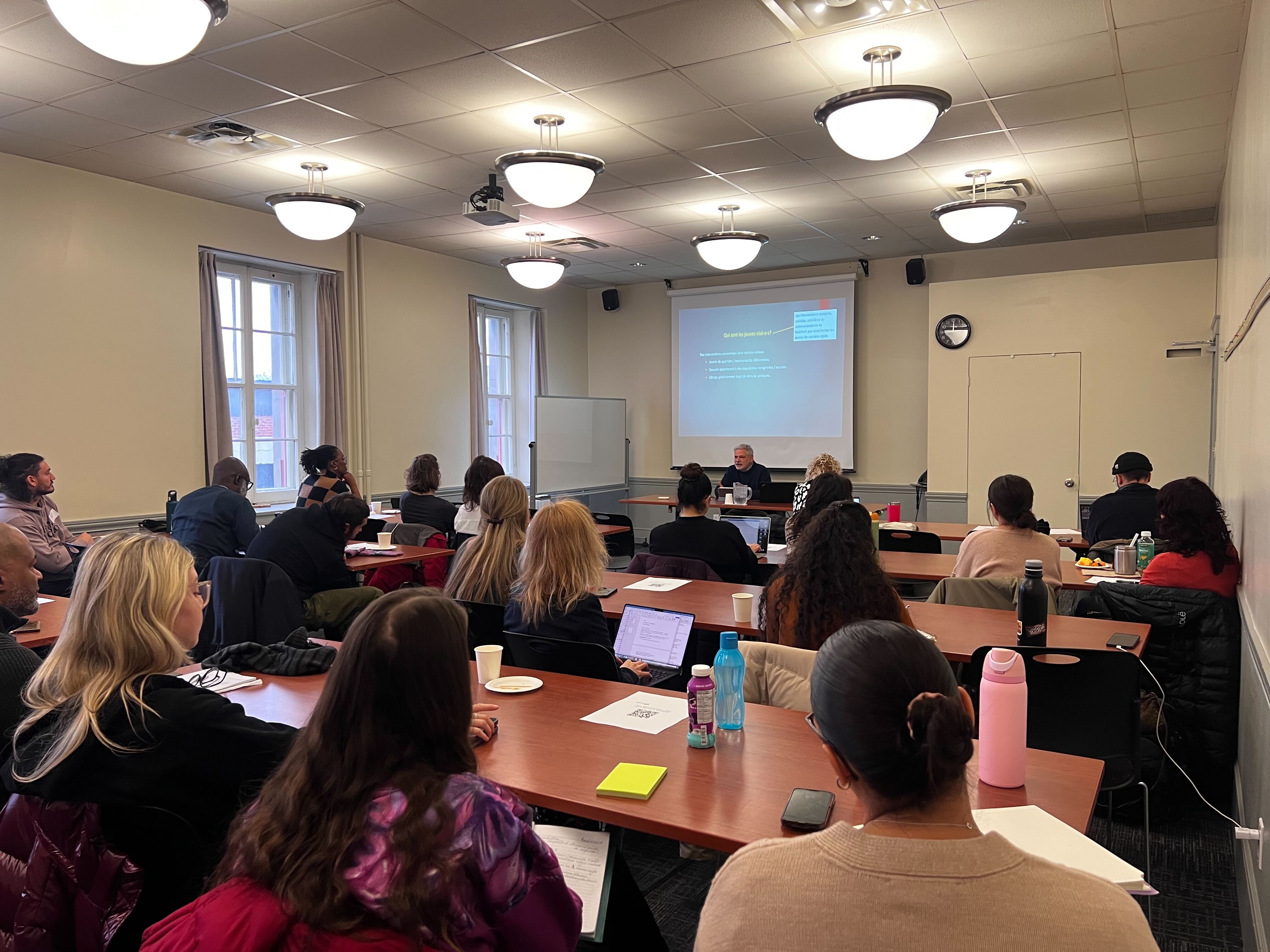
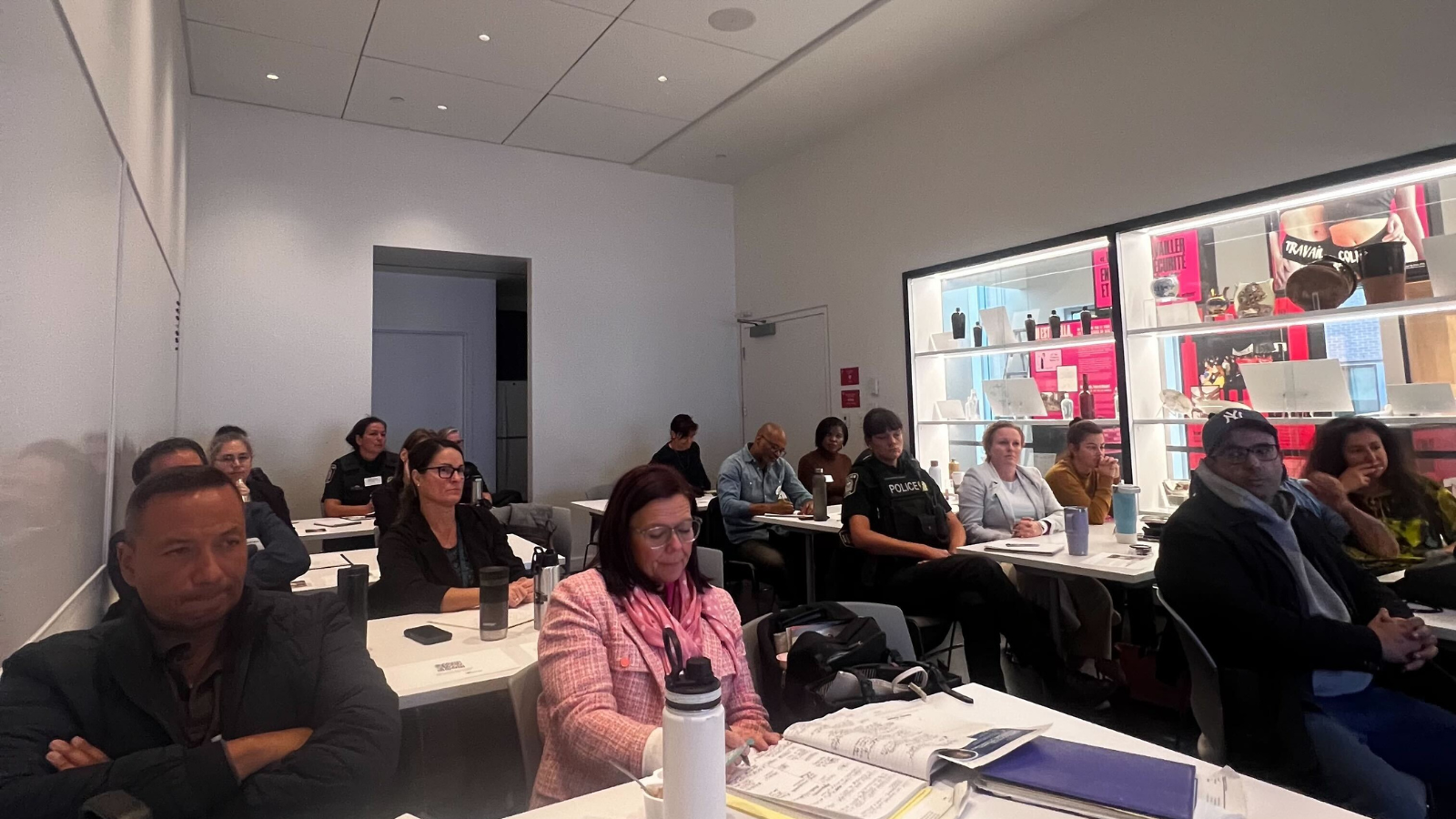
On August 26 and 27, 2025, the International Centre for the Prevention of Crime (ICPC) held its second summer school, focused on a central issue: the crisis of trust between the public and institutions. 

Over two half-days, nearly fifty participants gathered, including researchers, students, professionals from health, education, public safety, justice, and community sectors, as well as institutional and municipal representatives. Together, they analyzed the dynamics of mistrust, shared concrete experiences, and proposed action plans to build lasting relationships of trust. 

From the outset, the ICPC team presented the goals of the summer school: to create a space for dialogue, to bring together scientific, civic, and professional perspectives, and to collectively reflect on solutions rooted in local realities. 

Day 1 – Exploring the Many Faces of Mistrust 

The afternoon of August 26 kicked off with a series of presentations and testimonials. 

Janny Montinat and Alexis St-Maurice, analysts and project managers at ICPC, illustrated how mistrust manifests in various contexts: local communities, educational institutions, social services, and research. They emphasized that trust cannot be imposed—it must be earned and built. 


Michelle Côté, scientific advisor at ICPC, highlighted the
often invisible issues behind trust and mistrust in institutions, drawing on data from Quebec, Canadian, and international surveys. She stressed the conditions that foster successful preventive interventions: agility, flexibility, fairness, and openness.
 

Marylin Coupienne, legal advisor at FMHF, then questioned the role of law and youth protection institutions in the current crisis of trust. She pointed out the dead ends created by intervention approaches overly focused on evidence and fault, at the expense of building trust with families. 

The day concluded with open discussions among attendees, followed by a networking cocktail that extended the conversations. 

Day 2 – Rethinking Relationships with Institutions 

On the morning of August 27, participants deepened the discussion through lectures and a roundtable. 

Victor Armony, professor at UQAM and researcher at CRIDAQ, opened the day by analyzing the mistrust and suspicion that characterize relations between police and racialized minorities. He described a loop of reciprocal mistrust: the more police target certain groups, the more those groups develop mistrust, which in turn leads to further targeting. 

Carl Lacharité, emeritus professor at UQTR, offered the perspective of families on their interactions with service institutions, showing that trust and mistrust develop over the course of a child’s growth and through the quality of dialogue with professionals. He also reminded attendees that mistrust is not always a sign of social breakdown—it can be a legitimate adaptive strategy in response to institutions perceived as distant or intrusive. 

Finally, a closing panel brought together all the speakers including Pierreson Vaval, founder of organisations such as Équipe RDP and the POZÉ coalition. They collectively emphasized the importance of supporting families and communities in their interactions with institutions, in order to transform situations of mistrust into spaces for dialogue. 

They also emphasized the need to recognize shared responsibilities, to resist discouragement, and to adapt our approaches in response to social and technological transformations—particularly with the emergence of artificial intelligence. 

A Space for Collective Learning and Action 

By organizing this summer school, the ICPC provided participants with a unique space to exchange ideas, confront differing viewpoints, and identify concrete solutions to the trust-related challenges facing our institutions. 

This summer school demonstrated that trust is simultaneously a matter of data, practices, and human relationships. It cannot be imposed from above. It is built through everyday experience, mutual recognition, active participation by citizens and communities, and the commitment of institutions to work with—and not merely for—those they serve.